How to Plan Landscape Lighting for Your Yard, Step by Step
How to plan landscape lighting starts with deciding what the light is for: safe steps and paths, a home that does not look dark and empty, and a few features worth showing off after sunset. Pick those spots first, choose a lighting technique for each, and then plan the fixtures and wiring around them. A few well-placed lights usually look better than many bright ones.
This guide walks through each step, from the night walk around your yard to the parts of a low voltage system.
What should landscape lighting do?
Most good plans balance three goals. Write down which matter most to you before choosing fixtures.
- Safety: steps, walkways, driveway edges and changes in level
- Security: entrances, dark corners and the sides of the house
- Beauty: trees, the front of the home, garden beds, walls and water features
- Use: patios, decks and outdoor seating areas you want to enjoy after dark
Pathway lighting ideas and uplighting trees are popular, but they should serve the plan, not lead it.
How do you choose what to light?
Walk the property at night. It is the simplest and most useful step.
- Note where you stumble or cannot see the ground
- Stand at the street and look at the house: what disappears in the dark?
- Pick two or three focal points, such as a large tree, the entry or a stone wall
- Look out from inside the house, since the view from the windows matters too
- Notice existing light from porch lights, streetlights and neighbors
A flashlight held at different angles can show you how a tree or wall will look when lit. Take a few photos on your night walk as well; they make it much easier to explain to an installer what you want to see.
Which lighting techniques work best?
Different features need different angles. Mixing techniques creates depth.
- Uplighting: lights aimed up into trees, columns or walls to show shape and texture
- Downlighting: lights placed high in trees or under eaves for a soft, natural glow
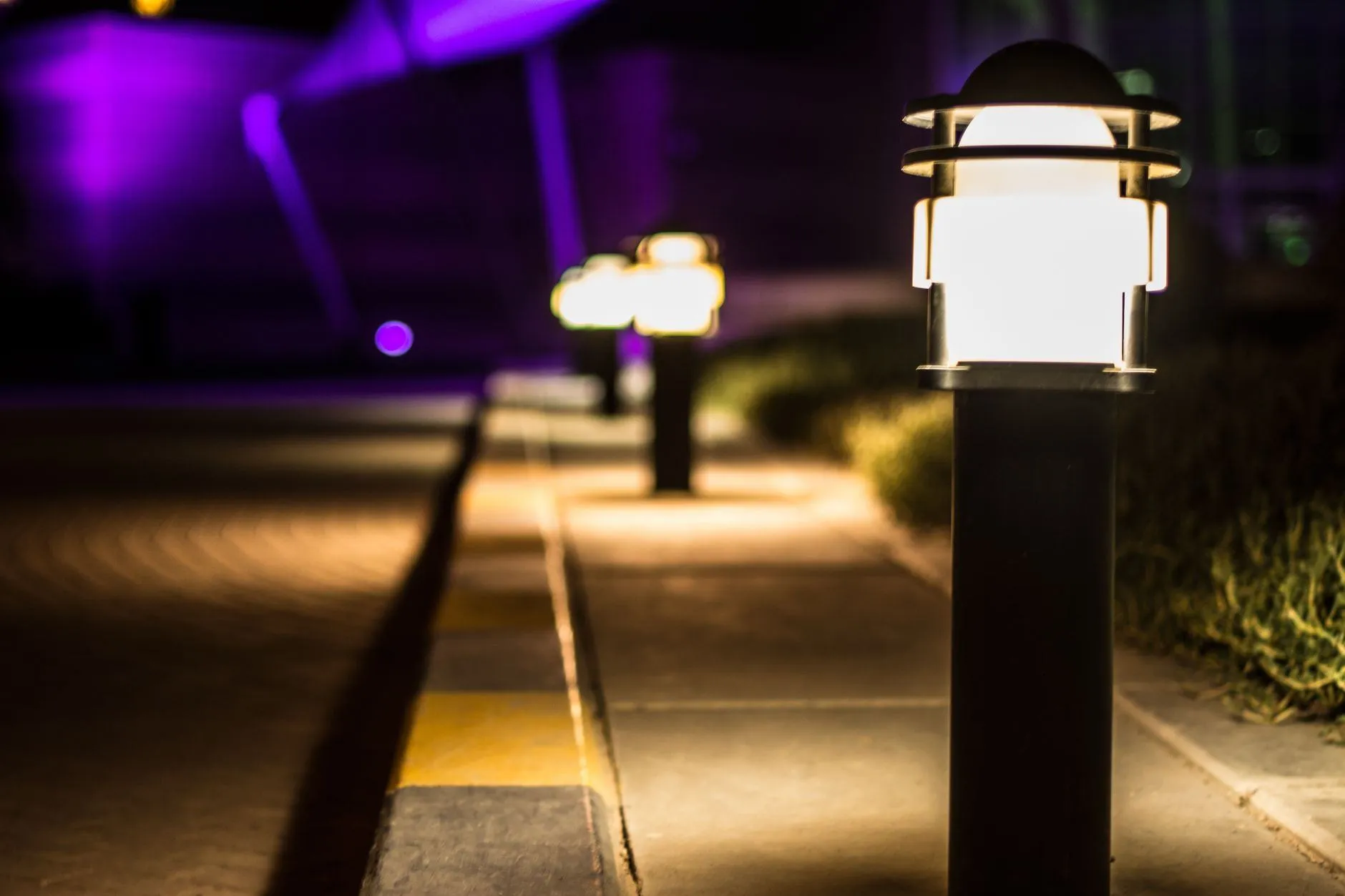
- Path lighting: low fixtures that spread light on walkways without shining in eyes
- Step lights: built into walls or stair risers for safe footing
- Wall grazing: light set close to stone or brick to bring out texture
- Silhouetting: lighting a wall behind a plant so its shape shows in outline
Warm white light usually suits homes and gardens better than cool, blue-white light.
How do you avoid glare and bothering neighbors?
Aim the light at things, not at people. Glare is the most common mistake in landscape lighting.
- Use shielded fixtures so the bulb is not visible from normal viewing angles
- Aim uplights away from windows, the street and neighboring homes
- Keep path lights low and spaced so they create pools of light, not a runway
- Use fewer, lower-output lights rather than a few very bright ones
- Turn lights off late at night with a timer, unless you need them for security
How does a low voltage landscape lighting system work?
Low voltage landscape lighting runs on a transformer that steps household current down to a safer, lower voltage for the fixtures.
- The transformer plugs into an outdoor outlet, usually on the house or a post
- Cable runs from the transformer to the fixtures, often buried shallowly in beds
- A timer, photocell or smart control turns the system on and off
- LED fixtures use less power than older bulbs and last longer
- The transformer must be sized for the total load of the fixtures, with room to grow
Long cable runs and many fixtures need careful planning so the far lights are not dimmer. If you need a new outdoor outlet, a licensed electrician may be required.
How does lighting fit with patios, walls and beds?
Plan it with the rest of the landscape when you can. It is easier to run cable before stone and plants go in.
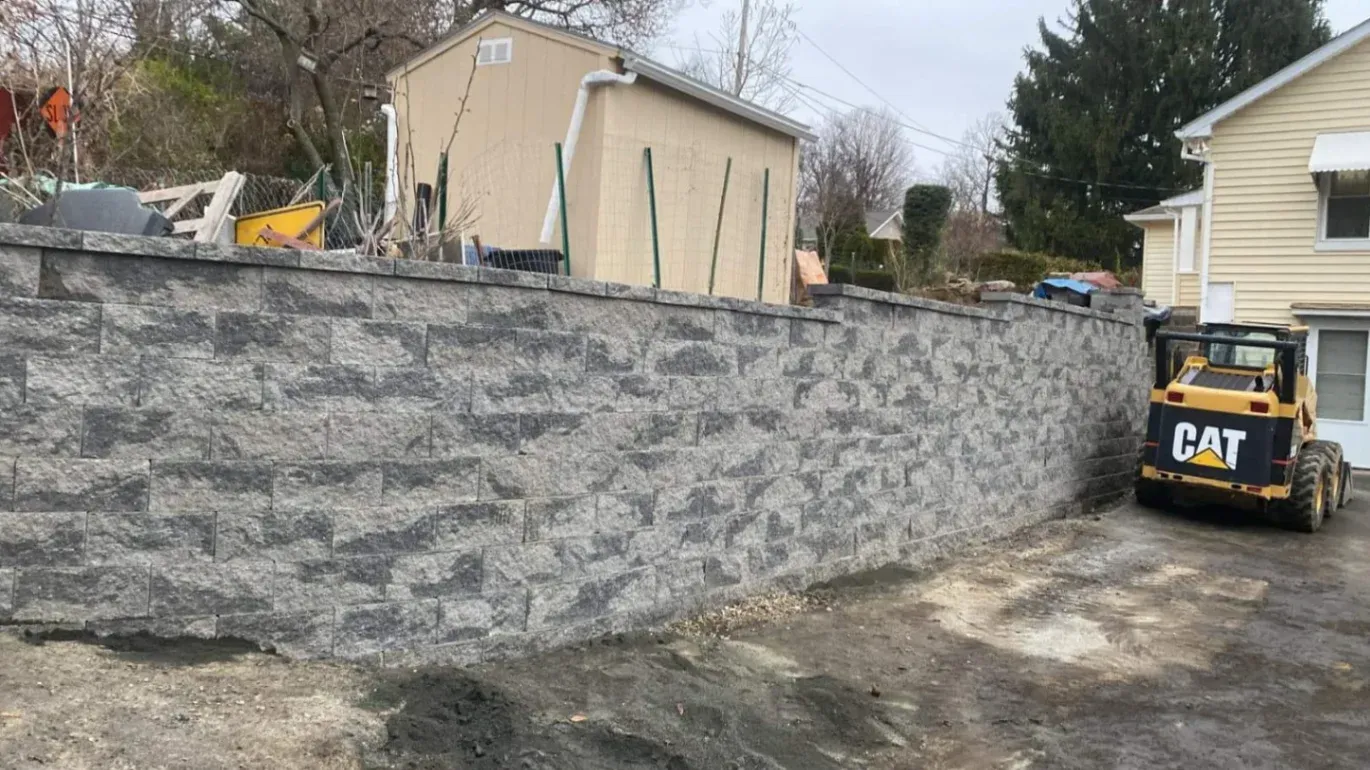
- Build step lights into stairs and walls during masonry work
- Leave conduit under new patios and walkways for future lights
- Place fixtures where plants will not cover them as they grow
- Mark cable routes so future digging does not cut them
VS Landscaping LLC builds patios, walls and other masonry work and offers landscaping design, so lighting can be planned along with the rest of a project.
Frequently asked questions about planning landscape lighting
Is low voltage landscape lighting safe for homeowners?
Low voltage systems are generally considered safer than line voltage because they run at a reduced voltage. The transformer still connects to household power, so it must be installed and plugged in correctly.
How many lights do I need for a front yard?
It depends on the size of the yard and how many features you light. Many front yards look best with a few focal points and enough path lights for safe walking, rather than lights on every plant.
Should landscape lights stay on all night?
Not usually. Most homeowners set a timer or photocell to turn them on at dusk and off later in the evening, and leave only security lights on overnight.
Can landscape lighting be added to an existing yard?
Yes. Cable can be run through beds and lawn with little disturbance. Adding it during other projects, like a new patio, makes it easier to hide the wiring.
Plan your lighting with VS Landscaping LLC
VS Landscaping LLC is a landscaping company in Danbury, CT that offers landscape lighting with low-voltage LED lights placed to highlight architectural features and walkways, using weather-resistant fixtures. It also offers landscape design, masonry, irrigation, mulching and yard cleanup in Danbury, Ridgefield, Wilton, Fairfield, New Milford, Newtown, Westport and New Canaan. To plan lighting for your yard, call 203-448-8149 or contact VS Landscaping LLC.